 |
 |
<< Blog | |||||||
| |||||||
As physical AI moves from digital environments into the real world, one capability is becoming increasingly important: 3D world model memory. Robotic manipulation is a key capability driving the next generation of intelligent robots. While autonomous navigation allows robots to move through environments, manipulation enables them to interact with the physical world, handle objects, and perform valuable real-world tasks. Reliable manipulation requires more than visual perception. Robots need a structured understanding of their surroundings to recognize objects, evaluate spatial relationships, and plan physical interactions. This is where 3D meshes play a critical role. Unlike point clouds, which represent environments as discrete sets of points, 3D meshes provide continuous surface representations with explicit geometric connectivity. These properties support important robotics capabilities, including grasp planning, collision checking, contact analysis, motion planning, and physics-based simulation. As robotic systems become increasingly autonomous, high-quality 3D meshes are becoming an important foundation for bridging perception and manipulation. Two Primary Approaches to Generating 3D Meshes for Robotics There are two common approaches to generating 3D meshes from sensor data:
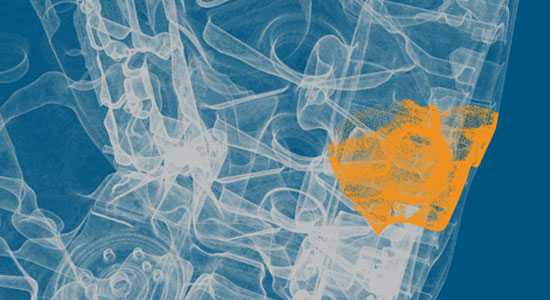
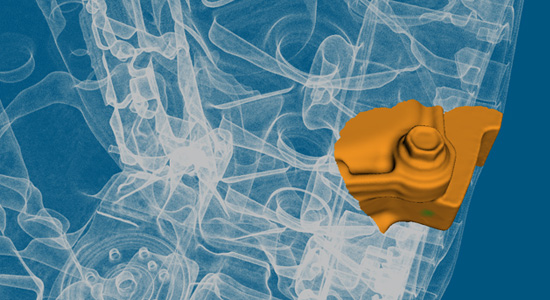
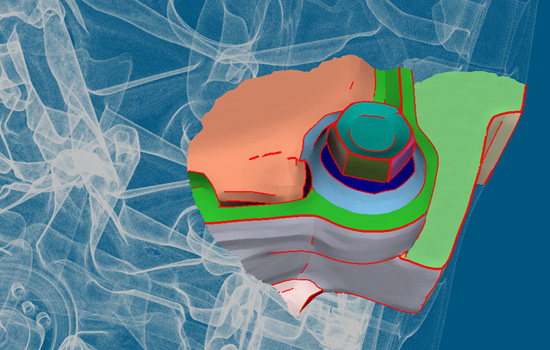
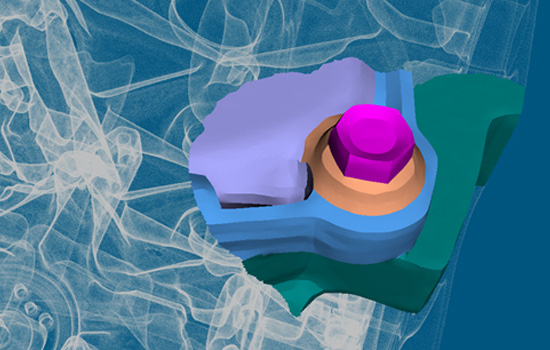
Why Direct Point Cloud-to-Mesh Reconstruction Matters For many robotics applications, direct point cloud-to-mesh reconstruction provides an efficient path from perception to geometric understanding. Instead of relying on computationally intensive intermediate reconstruction processes, robots can transform existing point cloud data into structured mesh representations that preserve important geometric details. The resulting meshes can serve as a foundation for object segmentation, collision checking, grasp planning, and simulation, helping reduce the gap between sensor perception and robotic action. VRMesh: From Point Clouds to Robot-Ready Intelligence VRMesh provides an integrated workflow for transforming raw point cloud data into structured, planning-ready 3D representations that support robotic manipulation and autonomous decision-making.
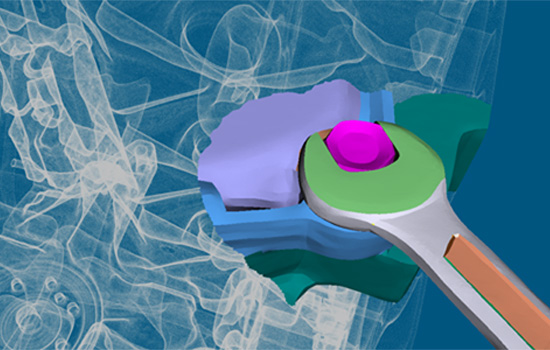
Robotic manipulation requires a reliable connection between understanding the physical environment and planning actions within it.
By providing geometrically rich and semantically meaningful 3D assets, VRMesh helps build the foundation for planning, simulation, and physical interaction-bridging the gap between robotic perception and intelligent action. | |||||||